Looking at the soil
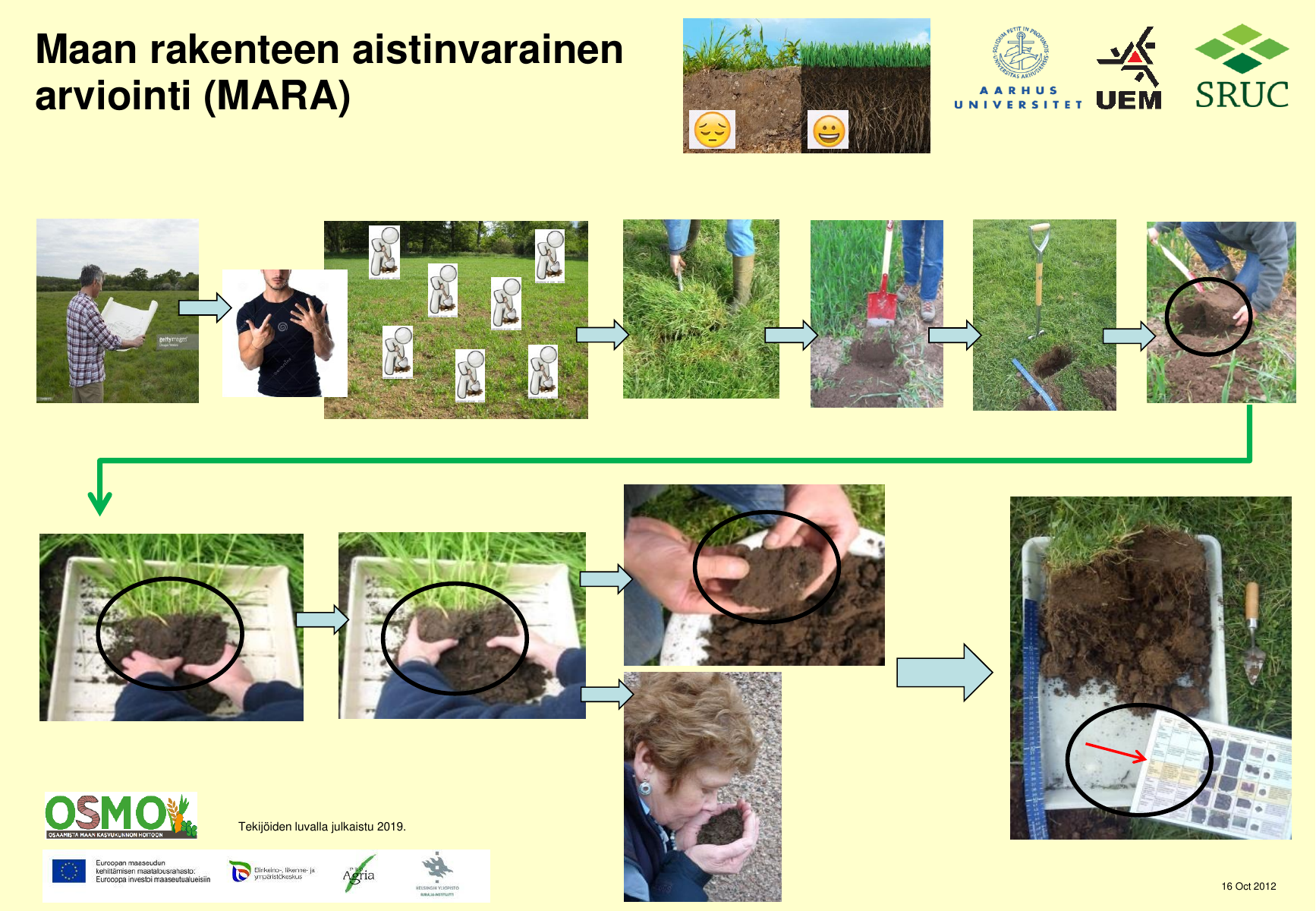
The Finnish MARA (Maan rakenteen aistinvarainen arviointi) method is a practical way of assessing soil structure in the field. A block of soil is dug out with a spade and carefully broken apart by hand.
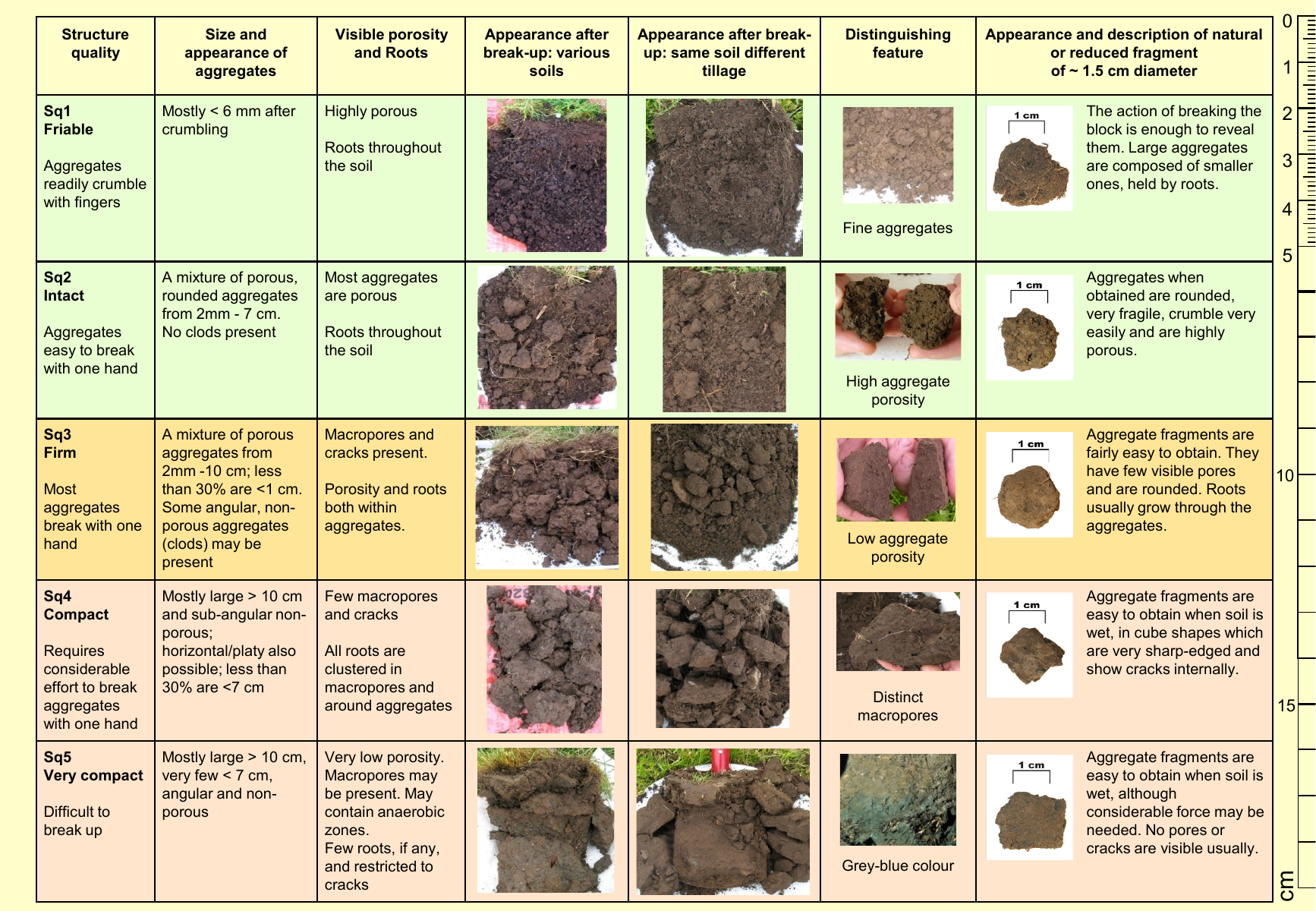
The person carrying out the assessment looks at things such as the size and shape of soil aggregates, how easily they crumble, pore space, root growth and the presence of earthworms. These observations can then be compared with reference examples to assess the physical condition of the soil.
This gives farmers and researchers a simple way of examining soil structure while standing in the field.
Can a camera do some of this?
HAMK's work in CAgriLab is exploring image-based soil structure assessment.
The idea is straightforward: if soil structure can be assessed visually by examining a soil sample, can some of that assessment also be made from photographs?
This links directly to one of CAgriLab's objectives: investigating whether widely available technologies such as smartphones and cameras can be used to help measure indicators of soil health.
Why this matters
Laboratory soil analysis remains important, but soil health also has a physical dimension. Simple visual methods can provide useful information about soil structure directly in the field.
If photographs can help record or quantify some of these observations, the same approach could make it easier to collect comparable information across farms and Living Labs.
That is what HAMK is exploring as part of CAgriLab.